Tariffs. Customs. Trade Remedies

Author

Jessica Mutton (UK)

Browsing

On 3 November 2026, the Customs (Tariff and Miscellaneous Amendments) (No. 7) Regulations 2026/1155 (the “Regulations”) were laid before the House of Commons. The Regulations will come into force from 26 November 2026, introducing authorised-use duty relief for certain steel goods and a temporary suspension of import duty at 0% for kerosene, fertilisers and certain agricultural goods. The Regulations aim to assist UK producers of line pipe and bright bar to import specific steel products…
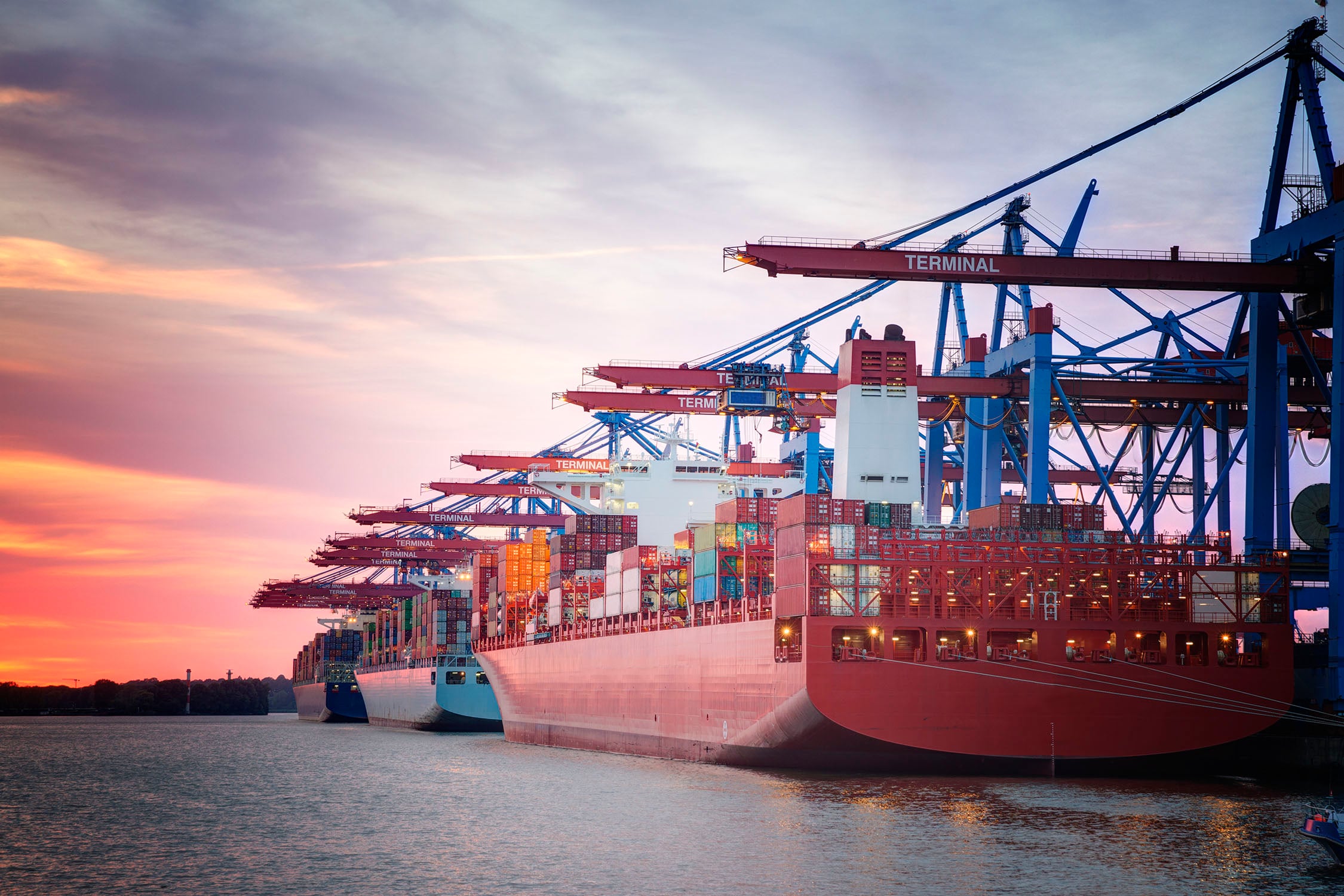
On Monday 26 October 2026, the UK government’s Chancellor of the Exchequer, John Healey, announced that import tariffs will be removed on more than 100 products, including food, drink and fuel, as part of the government’s efforts to ease the cost of living. The tariff suspensions will take effect from 26 November 2026 and last until 31 December 2028, except for the suspension of the tariff on fertiliser, which will last until 31 December 2027.…

Key benefits of the UK-India Free Trade Agreement Following negotiations which began in 2022, the UK-India Free Trade Agreement, formally known as the Comprehensive Economic and Trade Agreement (CETA) entered into force on 15 July 2026. CETA constitutes one of the UK’s most significant trade agreements since Brexit took effect and signifying improved market access and supply chain opportunities for businesses whose supply chains have links to the two territories.   For many businesses, the…

On 29 January 2026, the Court of Justice of the European Union (“CJEU”) delivered an important preliminary ruling in two joined cases, Keladis I (Case C‑72/24) and Keladis II (Case C‑73/24), in response to referrals from the Greek Administrative Court. The judgment (available here) addresses the circumstances in which national Customs authorities may rely on statistical methods to determine the customs value of imported goods, where the declared transaction value is considered unreliable. In summary: This post summarises the background to the cases…

BackgroundOn March 2nd, 2026 the European Public Prosecutor’s Office (EPPO) released its 2025 Annual Report, outlining a robust approach to cross-border enforcement against intricate economic and financial crimes, including customs fraud. The Report can be found here 2025 in numbers | European Public Prosecutor’s Office. EPPO’s enforcement in numbers Spotlight on customs fraud The groundbreaking “Calypso” investigation Conclusion

On Thursday 12 December, we hosted the webinar “Trump and Tariffs: A Global Perspective of What Lies Ahead”. The session focused on the potential tariff impacts of President-Elect Trump’s second term in office, giving a global perspective on what to expect from the new U.S. administration in terms of the much-touted additional tariffs on imports into the U.S., and how best to prepare for their direct and indirect consequences. Speakers from across the globe discussed…

On Thursday 12 December, we hosted the webinar “Trump and Tariffs: A Global Perspective of What Lies Ahead”. The session focused on the potential tariff impacts of President-Elect Trump’s second term in office, giving a global perspective on what to look out for, and how best to prepare. Highlights from our speakers are set out below. To listen to the full webinar, please click here. US Canada Mexico Latin America EU / UK Africa Middle…

On 12 December, the EU Forced Labour Regulation (“Regulation”) was published in the EU Official Journal. The publication is following the EU Council’s approval of the Regulation on 19 November 2024. The text of the Regulation was approved by qualified majority with 25 EU Member States voting in favour and 2 EU Member States abstaining from voting. The Regulation was signed by the President of the European Parliament and the President of the EU Council…

In a landmark ruling on 21 November 2024, the European Court of Justice (“ECJ”) dismissed an appeal, upholding the General Court of the European Union’s original decision that relocation of production from the US to Thailand with the dominant purpose of avoiding EU retaliatory tariffs on US-origin goods could not be “economically justified” and as such falls foul of the EU’s “anti-circumvention” rules. This decision could have wide-ranging impacts, including a significant impact on companies’…

Following the UK’s exit from the EU (“Brexit”), the UK and EU developed the Northern Ireland Protocol (“NI Protocol”) and, subsequently, the Windsor Framework (designed to facilitate smooth trade between Great Britain, i.e. England, Wales and Scotland, and Northern Ireland following Brexit by streamlining the number of checks placed on goods going from Great Britain to Northern Ireland, primarily through the introduction of two “lanes” of travel depending on the final destination of the goods…