Tariffs. Customs. Trade Remedies

Author

Alexandra Lambert (UK)

Browsing

On 17 June 2026, the European Commission’s proposal for a new trade defence regime for steel imports (COM(2025)726) was adopted as Regulation (EU) 2026/1384 (“Steel Regulation”) and entered into force on 25 June 2026, succeeding the safeguard measures that had been in place since January 2019. One particularly novel element, the “melt and pour” transparency requirement, has now been given practical shape, with the Commission adopting the Implementing Regulation (EU) 2026/1963 (“Implementing Regulation”) on 28…
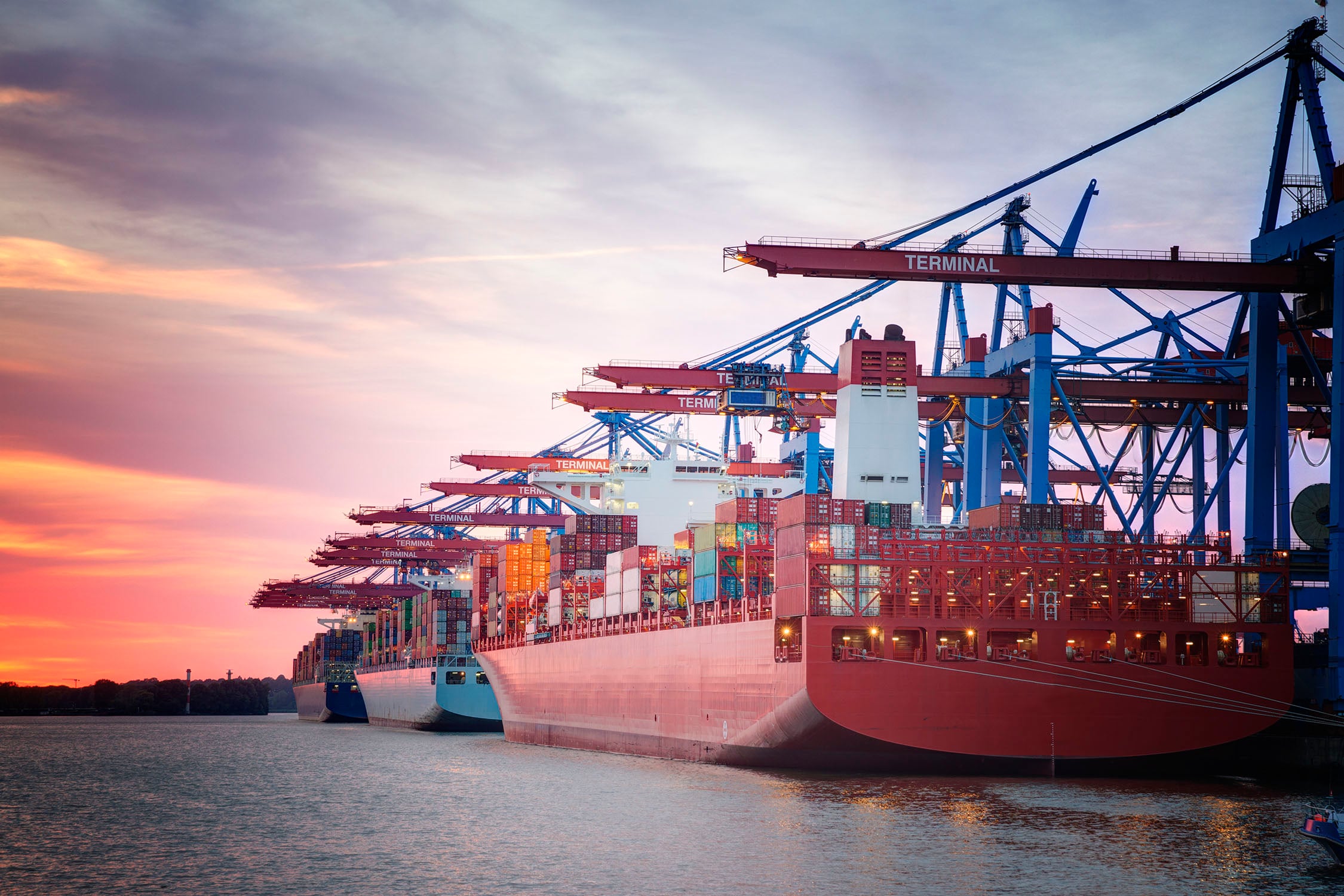
On 16 September 2026, the European Parliament has voted to adopt the new Union Customs Code (“nUCC”) heralding broad customs reform for the European Union (“EU”). Changes will be spread across all facets of customs compliance and there are expected to be accelerated timelines for implementation that are likely to impact all businesses importing into the EU. There are two key drivers to reform customs processes and requirements across the EU (i) the desire to…

Ahead of the 1 January 2027 entry into force of the UK’s Carbon Border Adjustment Mechanism (“CBAM”) regime, on 13 July 2026, HM Revenue & Customs (“HMRC”) laid secondary legislation before Parliament and published a package of supporting guidance (please see here). CBAM forms part of the UK government’s wider strategy to tackle carbon leakage and will impose a carbon price on emissions that are attributable to the production of certain types of goods (“embodied…

On 23 June 2026, the UK government announced a series of customs and tax measures intended to reduce the administrative burden and increase fairness and certainty for taxpayers. There were a number of key customs measures in this update, including: Please reach out to our team if you’d like to discuss these key updates further.

On 29 January 2026, the Court of Justice of the European Union (“CJEU”) delivered an important preliminary ruling in two joined cases, Keladis I (Case C‑72/24) and Keladis II (Case C‑73/24), in response to referrals from the Greek Administrative Court. The judgment (available here) addresses the circumstances in which national Customs authorities may rely on statistical methods to determine the customs value of imported goods, where the declared transaction value is considered unreliable. In summary: This post summarises the background to the cases…

For the third week, we continued our Annual Compliance Conference with key customs developments impacting on businesses today. Specifically, we discussed the reform of the Union Customs Code in the EU, key trending customs developments in EMEA, and different methods of driving significant financial savings in global supply chains. EU customs reform: biggest overhaul since 1968 Tuesday 14 May SPEAKERS: Nicole Looks (Partner, Amsterdam), Thomas Kukanza (Senior Trade Advisor, Brussels), Sylvain Guelton (Senior Associate, Brussels),…

When importing goods into the UK, traders are required to account for any applicable customs duty and import VAT (collectively “Duties”) on import unless they can utilise a customs special procedure to delay or reduce payment of these amounts. Customs special procedures include the Inward Processing (“IP”) regime which allows traders to suspend the Duties while the imported goods are subject to repair or further manufacturing. Where a trader utilises IP, they are required to…

The UK government has released its final plans for the new Border Target Operating Model (“the Model”). The Model was initially set for implementation from October this year and has now been delayed to January 2024. The UK Government has agreed to this delay of three months following input from public consultation from the private sector and stakeholders. The Model which introduces the remaining sanitary and phytosanitary controls, as well as full customs controls for…

On 31 March 2023, the UK announced that it will join the Comprehensive and Progressive Agreement for Trans-Pacific Partnership (CPTPP), joining 11 countries (including Mexico, Japan, Canada and Australia) across the Asia-Pacific region and becoming the first European country to do so. While the UK already has existing bi-lateral trade agreements with 9 of the 11 CPTPP countries, the biggest benefits will arise as other countries join the bloc (with applications to join by countries…

As part of its slate of Customs measures announced for the Spring Budget 2023, the UK government confirmed yesterday, March 15, that AVRs will soon be a feature of the UK Customs regime. The long awaited mechanism will allow for legally binding rulings on the Customs Valuation methodology for the specified goods in a particular scenario, for a period of three years (subject to cancellation or withdrawal). Amendments will be made to the UK legislative…