Tariffs. Customs. Trade Remedies

Author

Jennifer F. Revis (UK)

Browsing

The UK government announced on 15 March 2023 that customs valuation rulings, so-called Advance Valuation Rulings (“AVR”), would soon be a feature of the UK Customs regime (please see our earlier blog here). On 27 April 2023, the UK government published guidance on submitting applications for an AVR with the system going live. This is despite the necessary legislative amendments not yet coming into force. An AVR is a legally binding ruling held by the…
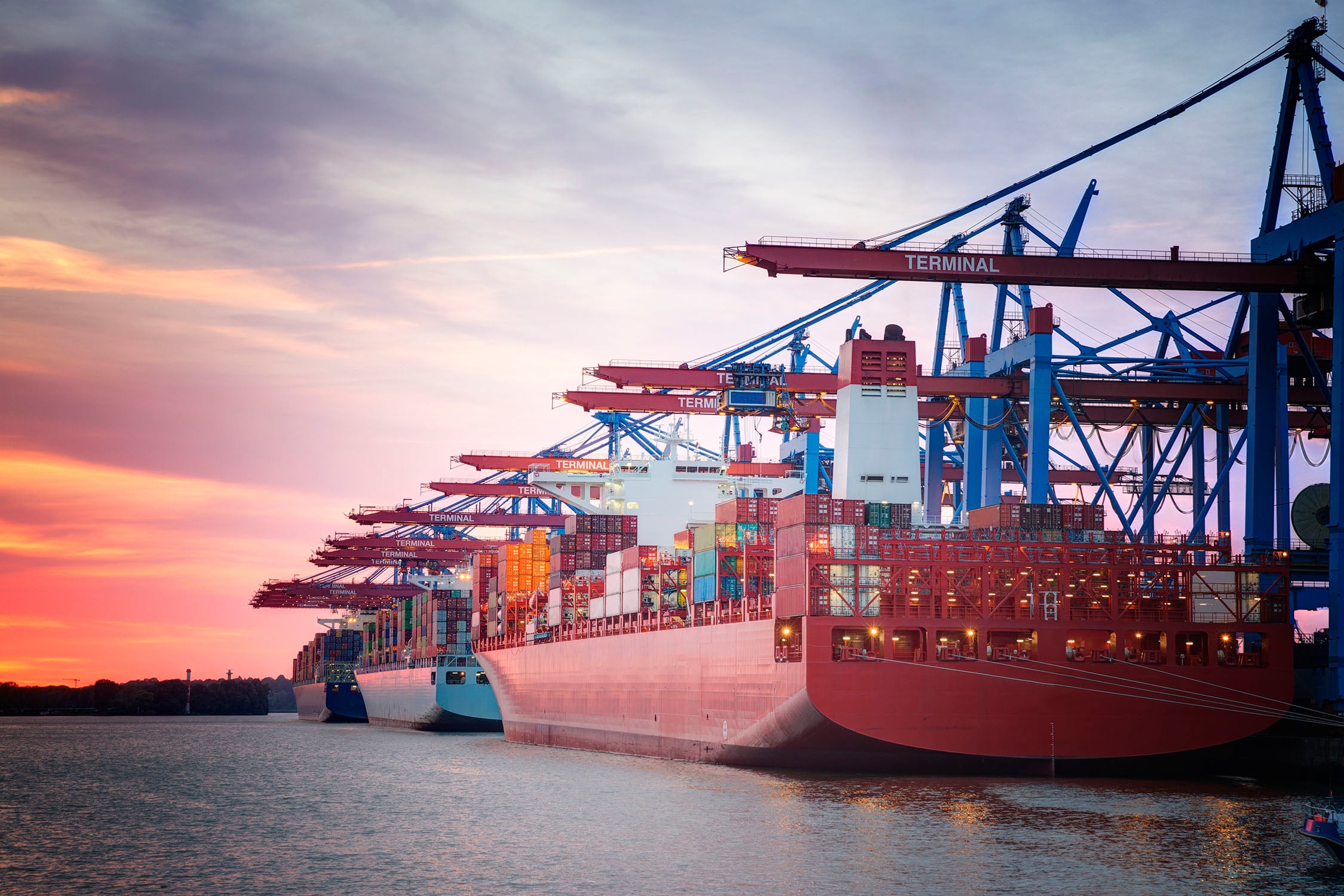
On 31 March 2023, the UK announced that it will join the Comprehensive and Progressive Agreement for Trans-Pacific Partnership (CPTPP), joining 11 countries (including Mexico, Japan, Canada and Australia) across the Asia-Pacific region and becoming the first European country to do so. While the UK already has existing bi-lateral trade agreements with 9 of the 11 CPTPP countries, the biggest benefits will arise as other countries join the bloc (with applications to join by countries…

As part of its slate of Customs measures announced for the Spring Budget 2023, the UK government confirmed yesterday, March 15, that AVRs will soon be a feature of the UK Customs regime. The long awaited mechanism will allow for legally binding rulings on the Customs Valuation methodology for the specified goods in a particular scenario, for a period of three years (subject to cancellation or withdrawal). Amendments will be made to the UK legislative…

Yesterday (15 March 2023), the Government announced its Spring Budget 2023, which included some long awaited changes to the current Customs regime (“Customs Package”). Broadly, the announcements capture improvements following the Government’s 2022 Call for Evidence on an independent Customs regime. Many of the changes have been anticipated by businesses (such as the Advance Valuation Rulings mechanism which we have blogged about separately today as well). A summary of these changes is set out below:…

There are already big reforms planned for the UK Trade Remedies Authority (“TRA”) – less than two years after its establishment – and for the overall operation of the UK trade remedies regime. On March 9, the UK Government announced changes to its trade remedies regime to transition to a more complex investigatory regime. Changes include: The framework of proposed changes will also require the TRA to notify Ministers before initiating new investigations. Potential Impact…

The UK’s trade remedies body, the Trade Remedies Authority (“TRA”) announced on 22 February that it has begun a reconsideration of its recommendation in Case AD0012, concerning imports of certain aluminium extrusions originating in China (here). Notably, this was the TRA’s first anti-dumping investigation in response to an application from UK industry. A reconsideration application is a request for the TRA to review its findings in a concluded investigation. The applicant, a UK producer in Case AD0012, alleges that the TRA erred in its…

The United Kingdom has agreed with the European Union a new Brexit deal for Northern Ireland which seeks to significantly reduce the number of checks on goods going from Great Britain to Northern Ireland. The Windsor Framework would create two ‘lanes’ for goods which are arriving in Northern Ireland from Great Britain: Some product bans currently in place for goods entering Northern Ireland from Great Britain (for example on chilled sausages) will also be removed,…

A declarant may ask for a change to certain of the data elements in a customs declaration in accordance with Article 173 Union Customs Code (“UCC”), which is applicable to customs declarations that have already been accepted by customs. The Dutch Customs Authorities (“DCA”), however, apply a very strict application of Article 173 UCC, stating that amendments are only allowed if the amendments are required by customs legislation. This position taken by the DCA deviates…

Although the formal requirements for bringing goods into the Customs Union of the EU are largely harmonised by EU customs legislation, authorisation procedures for bringing goods into the Union vary per Member State. The Think Tank of the European Parliament has conducted a study into the authorisation procedures of the various Member States for entry of goods into the EU, which was published on 19 December 2022. While the Think Tank acknowledges the need for…

The Union Customs Code (UCC) harmonizes the customs laws of the European Union. The UCC stipulates that Member States must impose penalties for failing to comply with customs legislation, and that these penalties must be efficient, proportionate, and dissuasive. Member States must notify the Commission of the penalties that they apply to various acts of non-compliance and of any subsequent amendments to those penalties (if applicable). The UCC therefore gives the Member States the freedom…