Tariffs. Customs. Trade Remedies

Category

Trade Policy

Category

New Intrastat requirements will enter into force as of January 2022. Intrastat is the EU’s system to track the movement of goods between countries of the EU. Authorities use the statistical data on international trade obtained with Intrastat for example when negotiating trade agreements and to monitoring of the functioning of the internal market. Specifically the new rules include two additional data points in the monthly reporting format: (i) The country of origin of the…
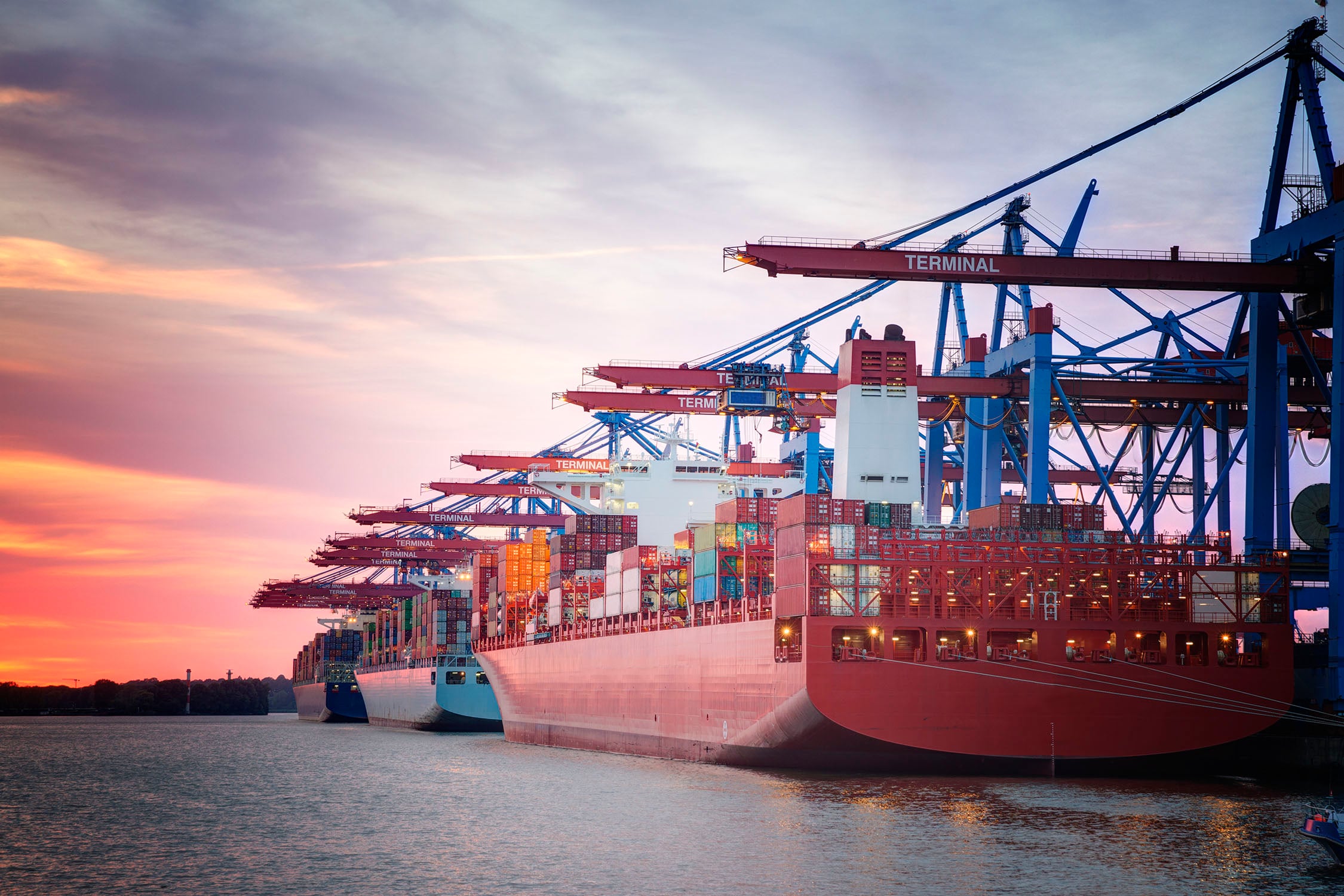
Following Brexit, the UK government have announced the introduction of new Freeports that may act as hubs for global trade and investment in the UK. These so-called “Free Zones” are special economic customs zones located within a Freeport in the UK. Exclusive customs, VAT and excise rules apply within the Free Zone, making it easier or more cost efficient for operators to import, store and process imported goods in these zones. The aim of the new…

On 31 October 2021, the EU and US issued a joint statement announcing that they had reached an agreement to end their dispute over steel and aluminium tariffs. This agreement removes the US “Section 232” tariffs on imports of EU steel and aluminium, imposed during the Trump administration, whilst the EU has agreed to suspend additional duties imposed on US goods in retaliation. Both sides have also agreed to suspend disputes initiated against each other at…

On October 8, 2021, the Office of the United States Trade Representative (“USTR”) issued a notice and request for public comments on the potential reinstatement of certain exclusions of tariffs on Chinese imports imposed under USTR’s Section 301 investigation. USTR will examine 549 previously granted exclusions, many of which expired since December 31, 2020, for possible reinstatement. USTR will evaluate each exclusion on a case-by-case basis. The list of exclusions USTR seeks comments on can…