Tariffs. Customs. Trade Remedies

Category

Venezuela

Category

On January 28, 2019, the US Treasury Department’s Office of Foreign Assets Control (“OFAC”) designated Petróleos de Venezuela, S.A. (“PdVSA”) as a Specially Designated National (“SDN”) under Executive Order 13850 of November 1, 2018 because it operates in the Venezuelan oil sector.  As a result, US Persons (i.e., entities organized under US laws and their non-US branches; individuals and entities physically located in the United States; and US citizens and permanent resident aliens (“Green Card” holders) wherever located or employed) are prohibited, in the absence of an OFAC license, from transacting, directly or indirectly, with PdVSA and any entities owned 50% or more by PdVSA (“PdVSA Subs”).  In addition, except as permitted under OFAC licenses, US Persons are required to block property or property interests of PdVSA/PdVSA Subs that are currently in the United States, come within the United States or the possession or control of any US Person.
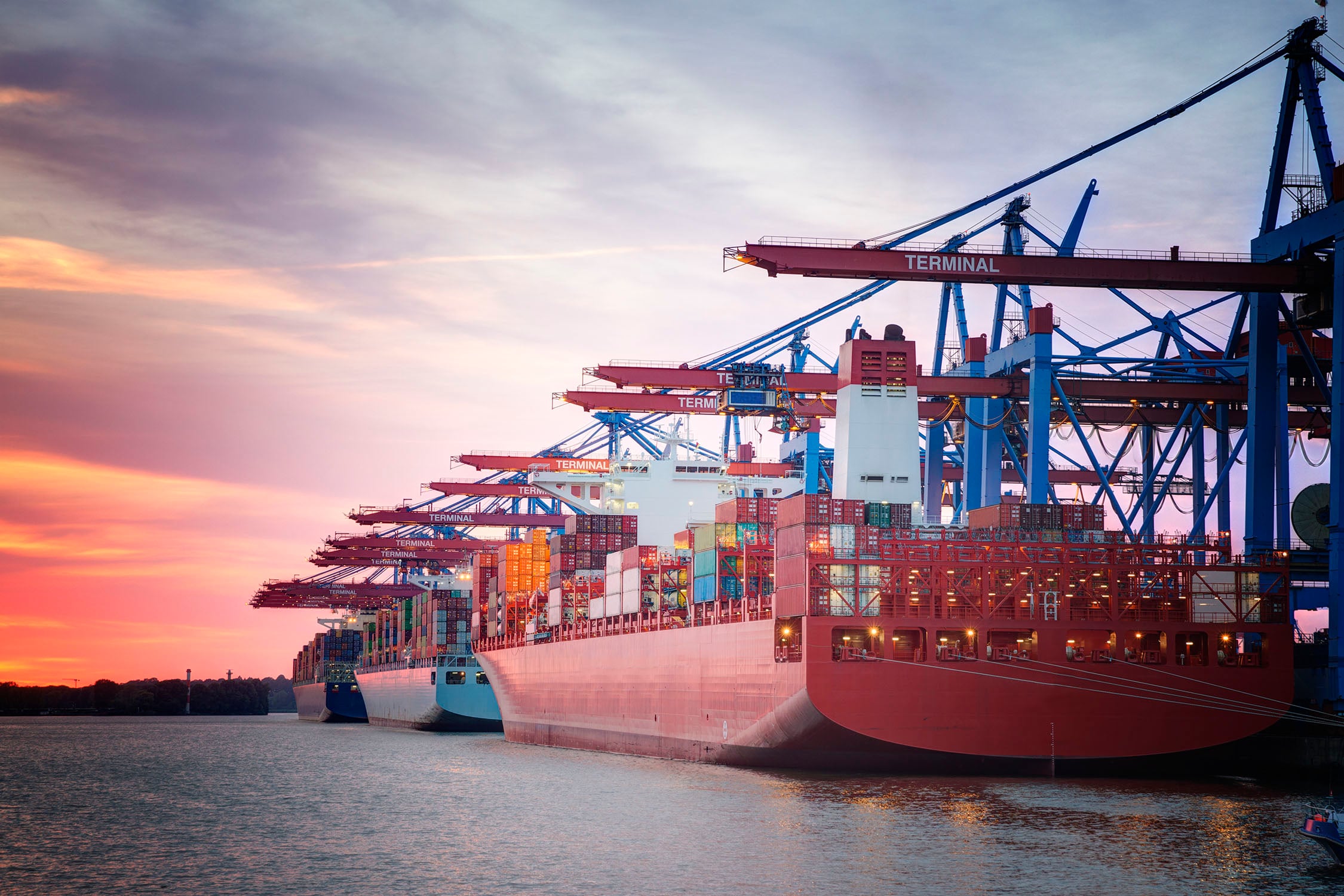
On July 19, 2018, the Office of Foreign Assets Control (OFAC) issued Venezuela General License 5. General License 5 authorizes US persons to engage in all transactions related to, the provision of financing for, and other dealings in the Petroleos de Venezuela SA 2020 8.5 Percent Bond that would be prohibited by Subsection 1(a)(iii) of  Executive Order (EO) 13835 of May 21, 2018 (“Prohibiting Certain Additional Transactions With Respect to Venezuela”). OFAC also published two new Frequently Asked Questions (FAQs). One explains why…

The WTO announced that Members expressed their concerns over possible measures by the United States regarding extra duties on the import of automobiles, including cars, SUVs, vans, light trucks and automotive parts, at the Council for Trade in Goods (CTG) held on 3 and 4 of July. Over 40 members — including the 28 European Union members — took the floor to warn of the “serious disruption” to world markets and the multilateral trading system that may arise as a result of these potential measures, particularly in light of the large proportion of global trade accounted for by these products. The announcement said:

On May 21, 2018, the President signed a new Executive Order (the “Order”) related to Venezuela entitled “Prohibiting Certain Additional Transactions with Respect to Venezuela.” According to a statement from the White House, this action is intended to “prevent the Maduro regime from … liquidating Venezuela’s critical assets.” These new US financial sanctions were imposed after Venezuela held elections this past weekend that were described as “fraudulent” in a press statement from the US State Department. Please see our prior blog posts concerning the previous Venezuela-related Executive Orders: (i) Executive Order 13827 of March 19, 2018 here, (ii) Executive Order 13808 of August 24, 2017 here, and (iii) Executive Order 13692 of March 8, 2015 here.

The US Government is considering adding digital currency addresses affiliated with individuals and entities identified to the List of Specially Designated Nationals and Blocked Persons (“SDN List”). This would put US persons on notice that doing business with those digital addresses may be prohibited, increasing compliance considerations for businesses delving into the world of virtual currency.

On March 5, 2018, the Federal Register published one year extensions to the following national emergencies because actions and policies addressed in the Executive Orders (EO) in which they were original declared or modified continue to pose an unusual and extraordinary threat to the national security and foreign policy of the United States.

As you may recall, early last year, President Trump issued two presidential memoranda instructing the U.S. Commerce Department to initiate an investigation into the national security implications of steel imports and aluminum imports into the United States.  If these so-called “section 232” (section 232 of the Trade Expansion Act of 1962, as amended) investigations determine that steel import and/or aluminum imports “threaten to impair the national security[,]” then the President can impose additional customs duties (among other things) on covered products.

On June 16, 2018, the Secretary of Commerce issued his reports to the President in both matters (unclassified versions of the reports are available here).   In each case, the Department of Commerce concluded that the quantities and circumstances surrounding steel and aluminum imports “threaten to impair the national security,” thereby opening the door to the imposition of import restraints.  Specifically, Commerce’s recommendations are as follows:

The Department for International Trade (“DIT“) yesterday published Notice to exporters 2017/25 (the “Notice“) in light of the new restrictive measures, including an arms embargo and internal repression related controls, imposed by the EU effective from 14 November 2017 (the “Measures“). Please see here for our previous blog post regarding introduction of the Measures. The Notice provides useful guidance to UK exporters on interpretation issues, as well as further detail on the restrictions from a practical perspective.