Tariffs. Customs. Trade Remedies

Category

Supply Chain

Category

On 4 November 2026, the UK Government confirmed plans to introduce a mandatory human rights due diligence regime for large businesses. The regime will apply to UK businesses with global turnover above £350 million and non-UK businesses generating more than £350 million in UK turnover. The announcement was made in a written ministerial statement following the Government’s review of the UK’s approach to Responsible Business Conduct, as well as lobbying calls from businesses and industry…
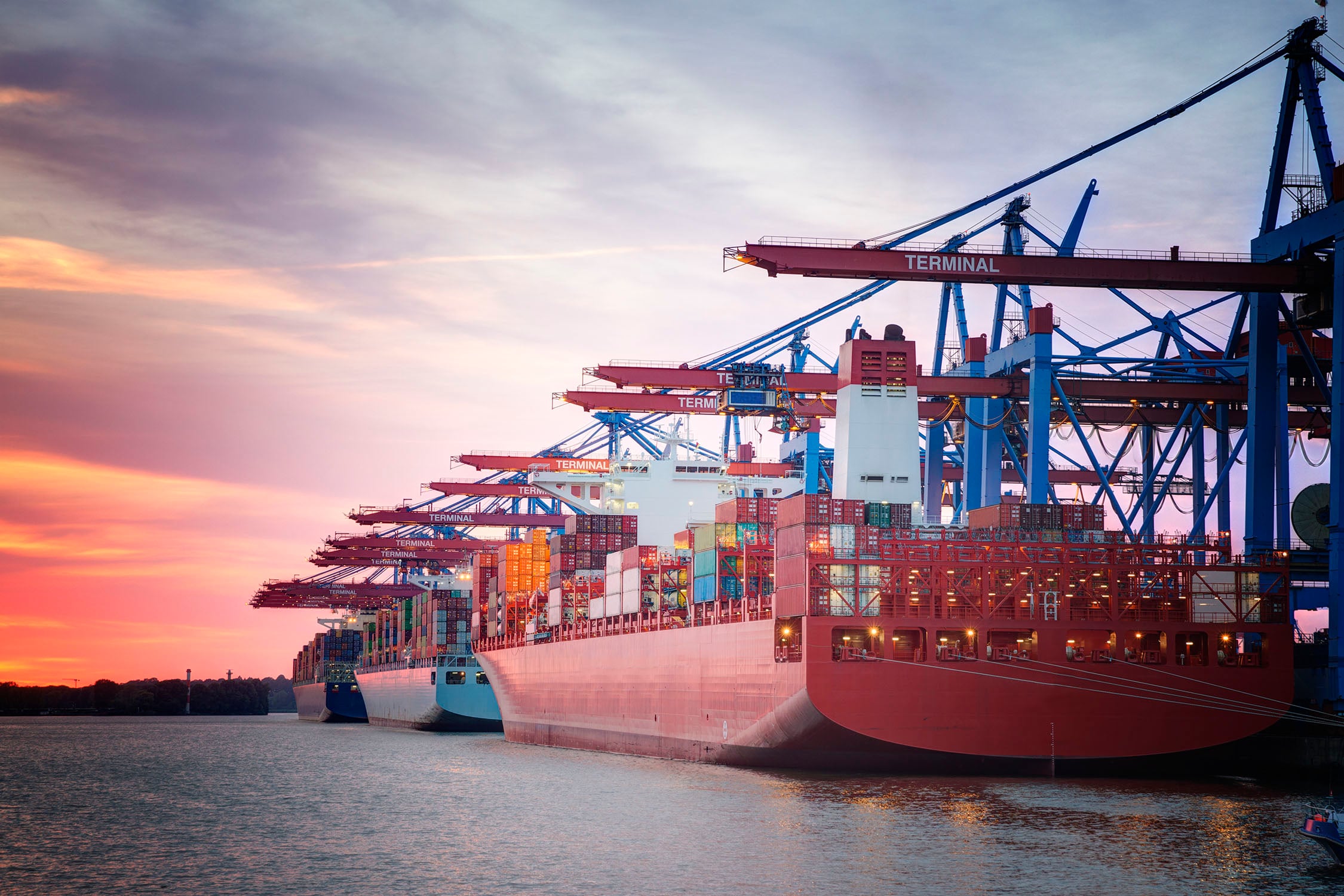
Over time, technology and globalization have reshaped value chains and, with them, the legal, technical, and technological implications behind any given product or service, as well as the way it is sold in a given territory. A single product may now cross several jurisdictions, incorporate components sourced from different countries, and rely on a complex network of direct and indirect suppliers that contribute to its production. Against this backdrop, the risks associated with foreign trade…

We are delighted to invite you to an in-person Customs Day focusing on the latest customs and global trade developments. This half day event will be particularly relevant to customs and trade compliance professionals, as well as legal counsels who are keen on staying abreast of the dynamic changes in the field. We are privileged to have speakers from Baker McKenzie in Stockholm, along with esteemed colleagues from other Baker McKenzie offices around the world.…

As 2026 brings new compliance challenges and opportunities, Baker McKenzie’s Canadian international trade team is here to help you stay ahead. We are launching our annual series of insights that unpack 2025’s biggest developments and spotlight the trade issues set to define 2026, bringing the clarity needed to navigate the evolving trade landscape. This article focuses on Canada’s regulation of forced labour and child labour. It remains unclear whether the Government of Canada’s 2024 ambitions…

On August 25, U.S. Customs and Border Protection (“CBP”) issued a draft Federal Register notice to effectuate the President’s Executive Order (“EO”) on “Addressing Threats to the United States by the Government of the Russian Federation,” which imposed additional tariffs on imports of Indian origin due to India directly or indirectly importing Russian oil. Under these new tariffs, imports of most goods of Indian origin will be subject to an additional 25% duty, effective August 27, which…

In a landmark decision, the United States Court of International Trade (“CIT”) has ruled against the President’s imposition of tariffs under the International Emergency Economic Powers Act (“IEEPA”). The decision (involving two consolidated cases, V.O.S. Selections, Inc. et al. v. United States of America et al. and The State of Oregon et al. v. United States Department of Homeland Security et al.), is the first court decision on the Administration’s trade policy and the first…

In brief Following the US administration’s extensive new import tariffs, many companies are grappling with increased costs and supply chain uncertainty. What happens when a deal becomes financially unsustainable due to government-imposed trade restrictions? Companies should consider the force majeure and change management clauses in their contracts, and the doctrines of impossibility, impracticability and frustration of purpose under applicable statutes and the common law, to assess whether they are entitled to relief. This article examines these…

On 2 April 2025, United States President Donald J. Trump has invoked his authority under the US International Emergency Economic Powers Act of 1977 (IEEPA) to impose the following tariffs on imports into the United States: Certain goods are not subject to the reciprocal tariffs (e.g., steel, aluminum and autos and auto parts subject to existing Section 232 tariffs [of the US Trade Expansion Act of 1962], copper, semiconductors, pharmaceuticals, lumber, certain energy and critical…

President Trump issued a memorandum on February 21, 2025, directing the US Trade Representative (“USTR”) to make specific determinations regarding actions the administration may take in response to digital services taxes (“DSTs”) imposed by certain trading partners since 2019, as well as issue other recommendations to respond to trade and regulatory measures of other countries. The memorandum states that the Trump Administration’s policy shall be to impose tariffs and take other actions in response to…