Effective 1 May 2019, the list of strategic goods being transshipped in or in transit in Singapore needing a strategic goods permit will be expanded.
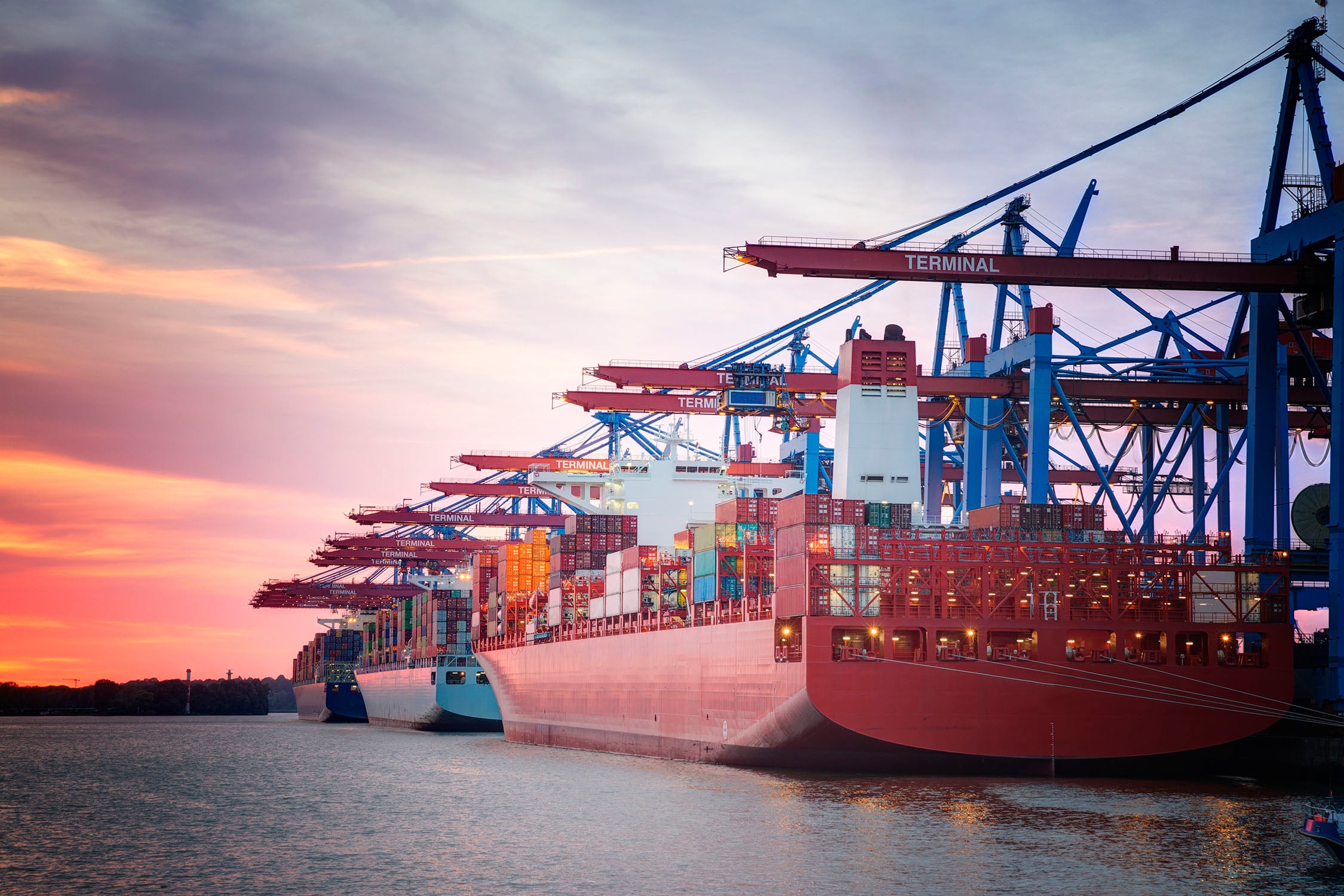
Effective 1 May 2019, the list of strategic goods being transshipped in or in transit in Singapore needing a strategic goods permit will be expanded.
On January 19, 2019, Global Affairs Canada reported that the inaugural Comprehensive and Progressive Agreement for Trans-Pacific Partnership (CPTPP) Commission meeting was successfully concluded. The CPTPP Commission, consisting of representatives from Australia, Brunei, Canada, Chile, Japan, Malaysia, Mexico, New Zealand, Peru, Singapore and Vietnam (the countries for which the CPTPP has entered into force), met in Tokyo, Japan and concluded their session by issuing a Ministerial statement. The Commission meeting allowed CPTPP countries to chart a course for next steps as well as agree on a framework for the accession of new members. The Ministerial Statement follows:
On 12 November 2018, the Vietnam National Assembly ratified the Comprehensive and Progressive Agreement for Trans-Pacific Partnership (“CPTPP”), which came into effect on 30 December 2018 for the first six ratifying Members and on 14 January 2019 for Vietnam.
On 30 December 2018, the Comprehensive and Progressive Agreement for Trans-Pacific Partnership (CPTPP or TPP-11) will enter into force for Australia, Canada, Japan, Mexico, New Zealand and Singapore. On 14 January 2019, the TPP-11 will enter into force for Vietnam. DHA Notice № 2018/37 summarises the implementation for goods.
On December 5, 2018, the Canada Border Services Agency (CBSA) issued Customs Notice 18-22 Implementation of the Comprehensive and Progressive Agreement for Trans-Pacific Partnership (CPTPP), which announces that the CPTPP will be implemented in Canada, Australia, Japan, Mexico, New Zealand and Singapore on December 30, 2018. Additionally, the Agreement will enter into force for Vietnam on January 14, 2019. With the exception of a few agricultural goods, the CPTPP will essentially eliminate the customs duties on all qualifying imports into Canada from a country for which the CPTPP is in force (“CPTPP country”), either immediately upon implementation of the agreement, or through a tariff phase-out. At the time of issuance of CN 18-22, not all CPTPP member countries will have completed their domestic ratification process and identified an implementation date. As the remaining CPTPP member countries reach ratification and confirm an implementation date, a separate customs notice will be issued. The text of the CPTPP is available at the Global Affairs website.
On 12 November 2018 the Vietnam National Assembly officially ratified the Comprehensive and Progressive Agreement for Trans-Pacific Partnership (“CPTPP”). The agreement has already been ratified by Australia, Canada, Japan, Mexico, New Zealand and Singapore and it will enter into force on 30 December 2018 in those countries.
On 25 October 2018, New Zealand formally ratified the Comprehensive and Progressive Agreement for the Trans-Pacific Partnership (CPTPP) bringing the number of ratifications to four. Canada cleared its last legislative hurdle when the Senate approved it on October 25 and Royal Assent was given the same day. Canada became the fifth to ratify when it notified New Zealand of its ratification on October 29, 2018. The Australian House and Senate also approved it and sent it to the Governor General who has given Royal Assent.
On 19 October 2018, the European Commission announced that the European Union and Singapore have signed three agreements, taking their political, trade, and investment relations to a new level. The agreements signed are the EU-Singapore Trade Agreement, the EU-Singapore Investment Protection Agreement and the Framework Agreement on Partnership and Cooperation. Together, they signify an important step towards increasing the EU’s presence in a fast-growing, important region. The announcement said in part:
The Comprehensive and Progressive Agreement for the Trans-Pacific Partnership (CPTPP) is moving forward and has gained momentum recently as Japan, Singapore and Mexico have ratified the 11-party agreement and Australia’s ratification is imminent because the deal recently passed both Houses of Parliament. Canada is closing in on ratification as well.
On 16 October 2018, Singapore Customs posted Circular No. 10/2018 which announces updated regulations governing the prohibition of imports, exports, transshipments and goods in transit from or to the Democratic People’s Republic of Korea (DPRK or North Korea).