Tariffs. Customs. Trade Remedies

Category

International Commerce and Trade

Category

We are delighted to invite you to an in-person Customs Day focusing on the latest customs and global trade developments. This half day event will be particularly relevant to customs and trade compliance professionals, as well as legal counsels who are keen on staying abreast of the dynamic changes in the field. We are privileged to have speakers from Baker McKenzie in Stockholm, along with esteemed colleagues from other Baker McKenzie offices around the world.…
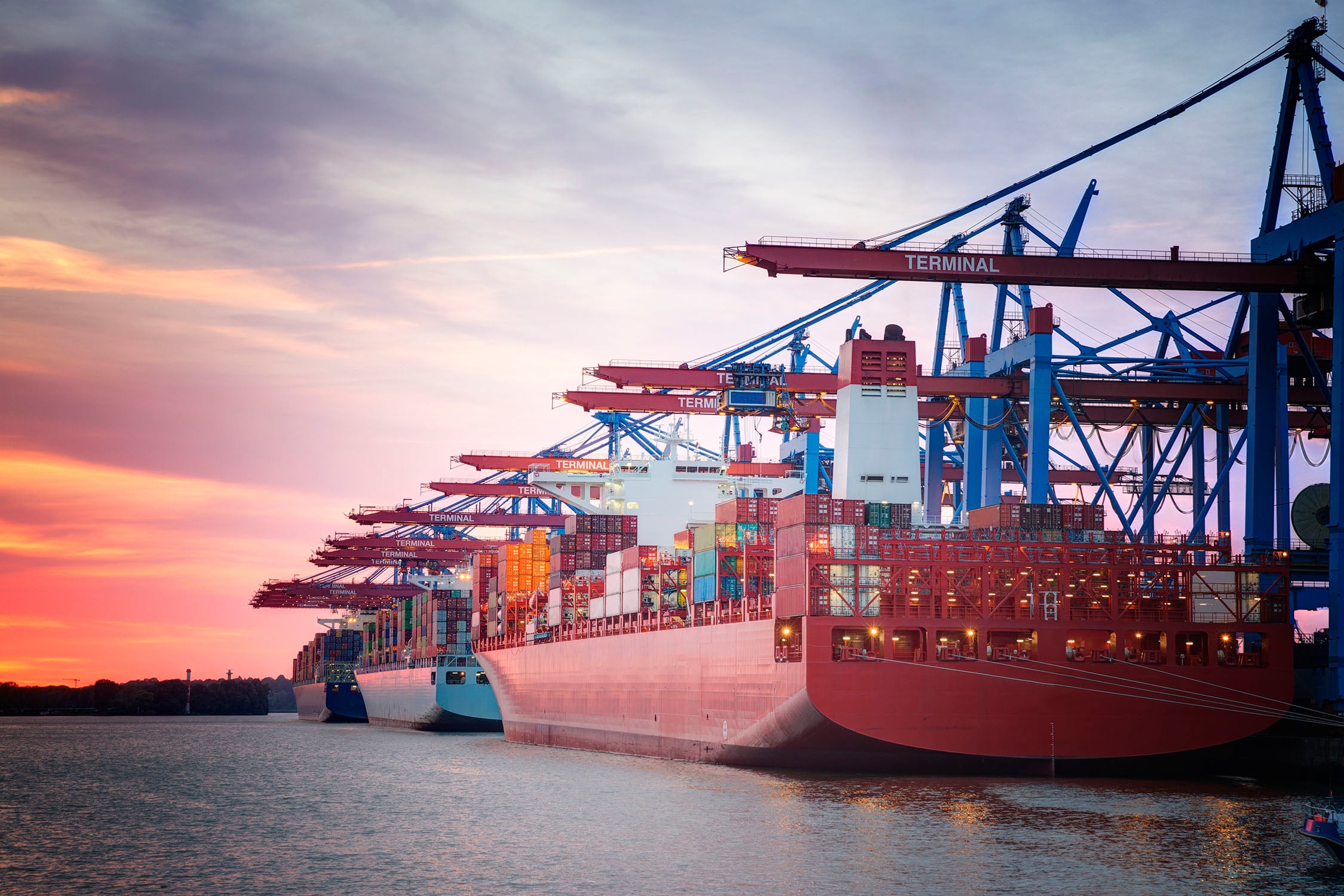
Effective today, August 29, 2025, de minimis duty-free treatment under 19 U.S.C. § 1321(a)(2)(C) is no longer available for shipments valued at $800 or less, entering into the United States, including those entering through international mail, under Executive Order (“EO”) 14324 of July 30, 2025. Carriers delivering shipments to the United States through the international postal network, or other qualifying parties that are approved by Customs and Border Protection (“CBP”), must collect and remit duties to CBP…

On August 25, U.S. Customs and Border Protection (“CBP”) issued a draft Federal Register notice to effectuate the President’s Executive Order (“EO”) on “Addressing Threats to the United States by the Government of the Russian Federation,” which imposed additional tariffs on imports of Indian origin due to India directly or indirectly importing Russian oil. Under these new tariffs, imports of most goods of Indian origin will be subject to an additional 25% duty, effective August 27, which…

In a landmark decision, the United States Court of International Trade (“CIT”) has ruled against the President’s imposition of tariffs under the International Emergency Economic Powers Act (“IEEPA”). The decision (involving two consolidated cases, V.O.S. Selections, Inc. et al. v. United States of America et al. and The State of Oregon et al. v. United States Department of Homeland Security et al.), is the first court decision on the Administration’s trade policy and the first…

On 7 May 2025, the EU and Singapore took a step forward by signing a landmark Digital Trade Agreement (“DTA”). The DTA is a self-standing agreement – meaning it is separate to the EU-Singapore Free Trade Agreement and the EU-Singapore Investment Protection Agreement. This comprehensive agreement goes beyond traditional trade deals, focusing specifically on facilitating digital trade and addressing emerging challenges in the digital economy. Upon implementation, the DTA should bolster consumer confidence, guarantee reliable data…

Yesterday, President Trump announced a 90-day postponement of the individualized reciprocal tariffs for most countries (see our blog post on these tariffs here), with the notable exception of China. This decision comes amidst ongoing global trade tensions and aims to provide temporary relief to international trade partners. However, the baseline tariff of 10% for most countries worldwide, which took effect on April 5, 2025, remains in place without a specified end date. China had previously indicated…

Introduction Yesterday Commissioner Maroš Šefčovič at the Foreign Affairs Council (Trade) held a press conference following the recent developments following Trump’s “Liberation Day” Tariffs Announcement (see our blog post on that topic here). Commissioner Šefčovič addressed the current trade landscape between the European Union (EU) and the United States (US), highlighting both the challenges and opportunities for strategic collaboration. The Impact of Tariffs on EU Exports Approximately €380 billion worth of EU exports to the US,…

President Trump issued a memorandum on February 21, 2025, directing the US Trade Representative (“USTR”) to make specific determinations regarding actions the administration may take in response to digital services taxes (“DSTs”) imposed by certain trading partners since 2019, as well as issue other recommendations to respond to trade and regulatory measures of other countries. The memorandum states that the Trump Administration’s policy shall be to impose tariffs and take other actions in response to…

President Trump issued a memorandum directing the US Trade Representative (“USTR”) and Secretary of Commerce to investigate alleged harm from non-reciprocal trade measures by trade partners and to issue recommendations based on their investigation.  The memorandum argues that a range of tariff and non-tariff measures maintained by various countries have contributed to unfair and unbalanced trade and harmed the United States.  Non-tariff measures specifically identified in the memorandum as being unfair and harmful to the United States include: The memorandum directs…