Tariffs. Customs. Trade Remedies

Category

Canada

Category

On October 12, 2018, the US International Trade Commission (ITC) announced that it has instituted an investigation to assess the likely impact of a trade agreement that the President has announced he intends to enter into with Mexico and Canada.

The investigation, United States-Mexico-Canada Agreement: Likely Impact on the U.S. Economy and on Specific Industry Sectors, was requested by the U.S. Trade Representative in a letter received on August 31, 2018.

US Customs and Border Protection (CBP) recently published a ruling that every company considering shifting production from China to Mexico (or Canada) as part of a strategy to mitigate the impact of the Section 301 duties should be aware of.  In Headquarters Ruling H300226 (September 13, 2018), CBP concluded that, while the NAFTA Marking Rules (19 C.F.R. Part 102) are used to determine the country of origin of articles imported into the United States from Mexico for marking purposes, the traditional substantial transformation test is used to determine the country of origin of articles for Section 301 duty purposes.

On September 30, 2018, USTR posted the following Joint Statement from United States Trade Representative Robert Lighthizer and Canadian Foreign Affairs Minister Chrystia Freeland: “Today, Canada and the United States reached an agreement, alongside Mexico, on a new, modernized trade agreement for the 21st Century: the United States-Mexico-Canada Agreement (USMCA). USMCA will give our workers, farmers, ranchers and businesses a high-standard trade agreement that will result in freer markets, fairer trade and robust economic growth in our region.  It will strengthen…

On September 1, 2018, the Canada Gazette published a notice from Global Affairs Canada stating that the Government of Canada is committed to fostering and strengthening Canada’s economic ties with its Asia-Pacific partners, including the 10 member states of the Association of Southeast Asian Nations (ASEAN) [Brunei Darussalam, Cambodia, Indonesia, Lao People’s Democratic Republic, Malaysia, Myanmar, Philippines, Singapore, Thailand, and Vietnam] and is seeking the views of interested Canadian stakeholders on the scope of potential negotiations toward a possible free trade agreement (FTA) with ASEAN. Expanding and diversifying Canada’s trade with large, emerging markets such as ASEAN is a priority for the Government of Canada and contributes to Canada’s trade diversification strategy. The Government of Canada’s approach is one that puts the interests of Canadians and opportunities for the middle class, women, youth and Indigenous people front and centre.
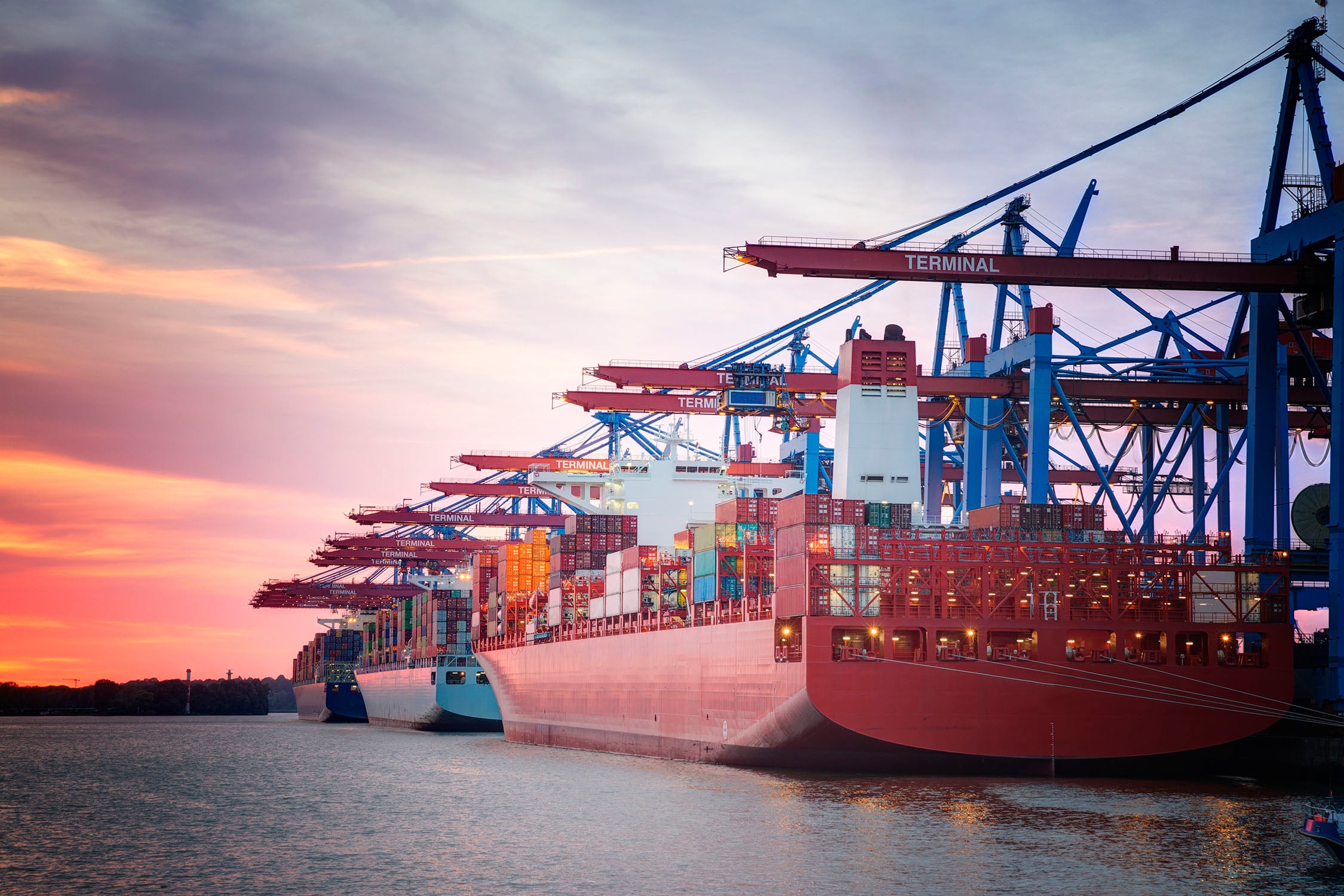
With the ratification of the Comprehensive and Progressive Agreement for the Trans-Pacific Partnership (CPTPP) by Mexico, Japan and Singapore, and the expectation that other parties will follow, we anticipate the agreement will enter into force by early next year. Although the CPTPP differs from the Trans-Pacific Partnership (TPP) due to the suspension of 22 provisions, most chapters of the new agreement remain untouched.  One of those is Chapter 3: Rules of Origin and Origin Procedures. Certificate of Origin, CPTPP, verification, ASEAN, ATIGA, Form D, self-certification, trade, customs, prepare, free trade agreement

On 15 August 2018, the WTO announced that at the request of the parties in the dispute “US — Anti-Dumping Measures Applying Differential Pricing Methodology to Softwood Lumber from Canada” (DS534), the panel has decided to open its first substantive meeting to public observation on 12 and 13 September 2018. The live screening will take place at the WTO’s headquarters in Geneva.  See the announcement for schedules, rules, and information on how to apply.

As the trade conflict between the United States and China continues, three free trade agreements are pressing ahead, including– the Comprehensive and Progressive Agreement for Trans-Pacific Partnership (CPTPP), soon to enter into force, the Japan-EU Economic Partnership Agreement (JEEPA), recently signed and which represents 30% of global economic output, and the Regional Comprehensive Economic Partnership (RCEP), an agreement that includes both India and China and comprises the largest trading block in the region.