Tariffs. Customs. Trade Remedies

Category

Canada

Category

On April 18, 2019, the US International Trade Commission (ITC) released its 379 page report, U.S.-Mexico-Canada Trade Agreement: Likely Impact on the U.S. Economy and on Specific Industry Sectors [Inv. TPA 105-003, Pub. No. 4889], as required by the section 105(c) of the Bipartisan Congressional Trade Priorities and Accountability Act of 2015 (Title I, Pub. L. 114-26; 129 Stat. 320).   The highlights of the report are contained in the Executive Summary which states (with emphasis as in the original text):
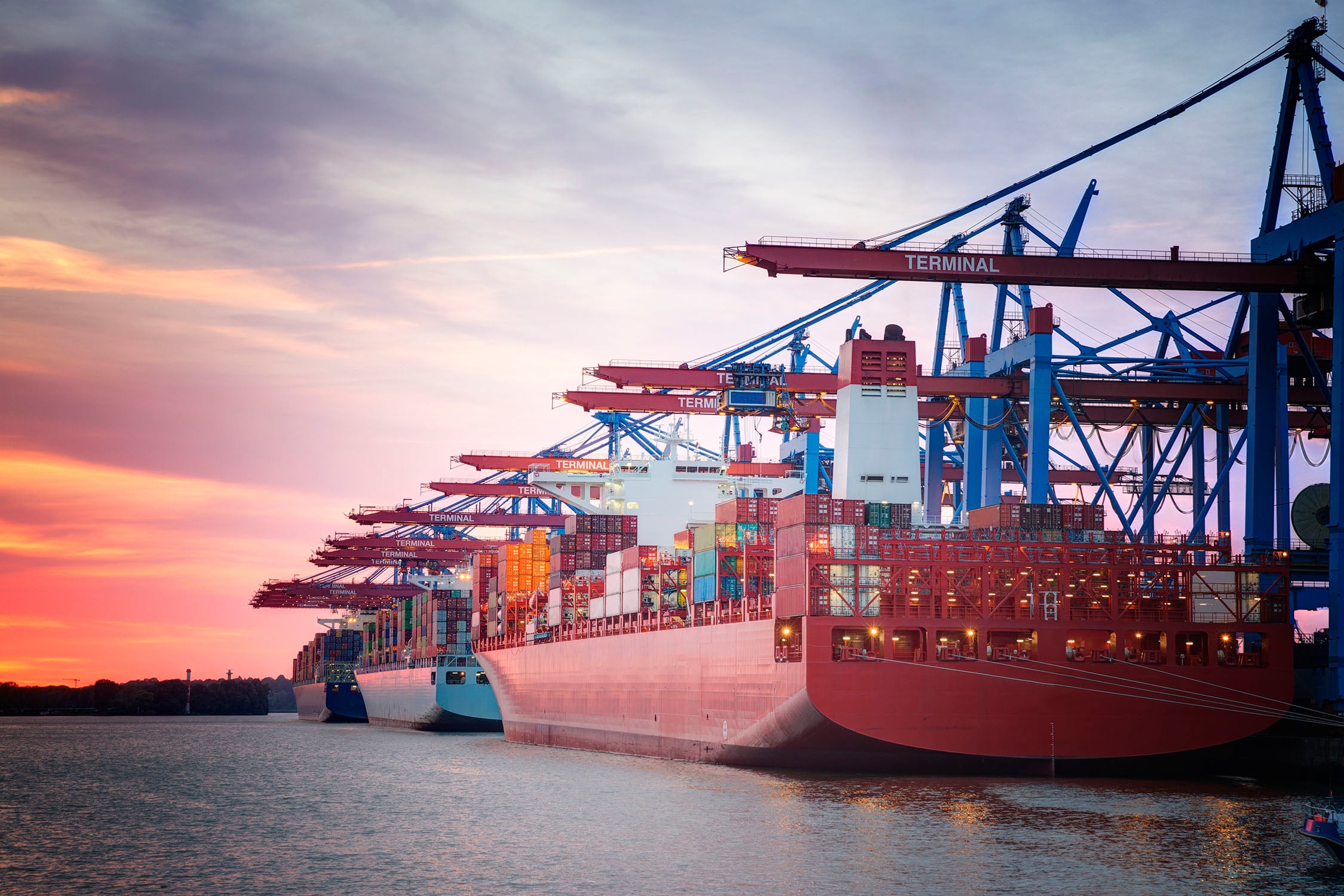
On April 15, 2019, the Department of Finance issued revised Lists of Steel, Aluminum and Other Goods Imported from the U.S. Subject to Remission of Countermeasures. The latest changes to Schedule 3 of the United States Surtax Remission Order (the “Remission Order”) were made pursuant to the Order Amending the United States Surtax Remission Order, No. 2019-1 and entered into force on April 15, 2019.

On April 9, 2019, the World Trade Organization released the Panel Report in United States – Anti-Dumping Measures Applying Differential Pricing Methodology to Softwood Lumber from Canada, WT/DS534/R.  The decision addresses particular aspects of the US Department of Commerce’s methodology for calculating antidumping duties under the Antidumping Agreement (the Agreement on Implementation of Article VI of the General Agreement on Tariffs and Trade 1994).  In some ways, the decision reiterates already-established principles – for example, Commerce may address perceived “targeted dumping” through the use of “zeroing” in its calculations.  In other ways, the decision sets up changes that may be necessary in the margin calculations.  After the 60-day period for appeal passes, it will be clearer whether the decision will affect future proceedings and if there is a new avenue for foreign producers to challenge Commerce’s practice domestically.

The Canada Border Services Agency (CBSA) announced in Customs Notice 19-05 (March 5, 2019) that it will increase Administrative Monetary Penalties (AMPs) on 22 contraventions related to commercial trade  effective April 1, 2019.  The Auditor General of Canada criticized the CBSA’s Administrative Monetary Penalties (AMPs) for being too low to improve compliance with trade programs in his 2017 Audit of Customs Duties. CN 19-05 stated:

On 21 February, 2019, the Department for International Trade (DIT) issued guidance entitled, Existing trade agreements if the UK leaves the EU without a deal, which sets out the status of those agreements (free trade agreements, economic partnership agreements, association agreements and customs union) that may not be in place by exit day. It also links to trade agreements that have been signed and mutual recognition agreements that have been signed.

On January 19, 2019, Global Affairs Canada reported that the inaugural Comprehensive and Progressive Agreement for Trans-Pacific Partnership (CPTPP) Commission meeting was successfully concluded. The CPTPP Commission, consisting of representatives from Australia, Brunei, Canada, Chile, Japan, Malaysia, Mexico, New Zealand, Peru, Singapore and Vietnam (the countries for which the CPTPP has entered into force), met in Tokyo, Japan and concluded their session by issuing a Ministerial statement. The Commission meeting allowed CPTPP countries to chart a course for next steps as well as agree on a framework for the accession of new members. The Ministerial Statement follows: